
As the boating season winds down, Connecticut boat owners need to prepare their vessels for freezing temperatures and extended periods of inactivity. Boat winterization is a service that helps protect your engine, plumbing systems, batteries, fuel system, and other components from cold-weather damage.
Proper winterization can also make spring commissioning easier and help prevent costly repairs when it is time to get back on the water.
At Chester Boat Basin, we help boat owners prepare for the offseason with professional winterization, service, and winter storage on the Connecticut River.
What Is Boat Winterization?
Boat winterization is the process of preparing a boat and its mechanical systems for cold weather and winter storage.
During the winter, water left inside an engine, plumbing line, pump, or other component can freeze and expand. As a result, hoses, fittings, tanks, engine parts, and other systems may crack or fail.
Winterization reduces that risk by draining water, adding appropriate antifreeze where needed, protecting the fuel system, maintaining batteries, and completing other seasonal service tasks.
The exact process depends on the type of boat, engine, onboard systems, and storage method.
Why Is Boat Winterization Important in Connecticut?
Connecticut winters often bring prolonged freezing temperatures, snow, ice, and changing weather conditions. Even a short freeze can cause damage if water remains trapped inside the boat’s systems.
Proper boat winterization can help:
- Protect the engine from freeze damage
- Reduce corrosion during stora
- ge
- Preserve the fuel system
- Protect freshwater and sanitation systems
- Extend battery life
- Prevent mold, mildew, and moisture damage
- Make spring startup more efficient
- Protect the long-term value of the boat
Skipping winterization or completing it incorrectly may lead to repairs that could have been avoided.
What Does Boat Winterization Include?
Every boat has different needs. However, professional boat winterization commonly includes several key steps.
Engine and Cooling-System Protection
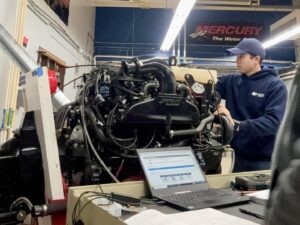
The engine and cooling system require careful attention before freezing weather arrives.
Depending on the engine type and cooling setup, technicians may drain water, circulate marine antifreeze, change fluids, inspect belts and hoses, and protect internal engine components.
Because engine systems vary, owners should follow the manufacturer’s requirements or work with an experienced marine technician.
Fuel-System Preparation
Fuel can degrade while a boat sits unused. Moisture may also enter the fuel system and contribute to corrosion or performance problems.
Winterization may include:
- Adding fuel stabilizer
- Running treated fuel through the system
- Inspecting filters
- Checking fuel lines and connections
- Addressing water or contamination concerns
Preparing the fuel system helps support a smoother startup in the spring.
Battery Care
Cold temperatures and long periods of inactivity can weaken a marine battery.
Before storage, the battery should be inspected, charged, disconnected, or maintained according to the boat and battery manufacturer’s recommendations.
Technicians may also check terminals for corrosion and confirm that the battery can hold a proper charge.
Freshwater and Plumbing Systems
Water must be removed from onboard plumbing systems before temperatures fall below freezing.
This may include the boat’s:
- Freshwater tank
- Water heater
- Sinks and faucets
- Showers
- Washdown pumps
- Ice makers
- Toilets and sanitation equipment
Marine antifreeze may be added to appropriate systems after technicians drain the water.
Oil and Fluid Service
Old engine oil can contain moisture, acids, and contaminants. Therefore, many boat owners complete oil and filter changes during the winterization process.
Technicians may also inspect or service:
- Engine oil
- Gear oil
- Transmission fluid
- Coolant
- Hydraulic fluid
- Drive lubricants
Completing this service in the fall can reduce the amount of work required during spring commissioning.
Exterior and Interior Preparation
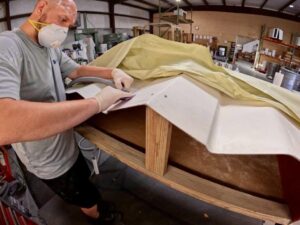
Winterization should address more than the boat’s mechanical systems.
Owners should remove food, valuables, electronics, cushions, life jackets, and other items that could hold moisture or attract pests.
The boat should also be cleaned and inspected before storage. Proper ventilation and moisture control can help reduce mold and mildew.
Is Winterization Different From Winter Storage?
Yes. Winterization and winter storage work together, but they are not the same service.
Winterization prepares the boat’s systems for freezing temperatures and inactivity.
Winter storage provides a place to keep the boat during the offseason.
A boat can receive proper mechanical winterization and still suffer damage if it is stored without adequate protection. Likewise, placing a boat in storage does not automatically mean its engine and plumbing systems are ready for winter.
Boat owners should plan for both.
Inside vs. Outside Winter Boat Storage
The right storage option depends on the boat, budget, maintenance needs, and level of protection desired.
Inside Boat Storage
Inside storage provides added protection from snow, ice, wind, and direct exposure to the elements.
It may be a good choice for owners who want additional protection for the boat’s exterior, upholstery, electronics, and finishes. At Chester Boat Basin, we only offer outdoor storage. Our marina in Portland, Petzold’s Marine Center, offers indoor winter storage for your boat.
Outside Boat Storage
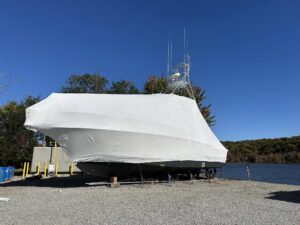
Outside storage can also protect a boat effectively when owners prepare and cover it correctly.
Shrink-wrapping can help keep snow, rain, and debris out of the boat while still allowing appropriate ventilation.
Regardless of the storage type, the boat should receive proper winterization before freezing temperatures arrive.
When Should You Winterize Your Boat in Connecticut?
Boat owners should schedule winterization before the first sustained freeze.
Many Connecticut boaters begin making arrangements in late summer or early fall, especially when they also need haul-out, storage, shrink-wrapping, maintenance, or repairs.
Scheduling early provides more flexibility and helps ensure the boat receives service before cold weather arrives.
Waiting until freezing temperatures begin may increase the risk of damage and limit available service appointments.
Can You Winterize a Boat Yourself?
Some experienced owners winterize their own boats. However, the process requires a clear understanding of the boat’s engine, cooling system, plumbing, fuel system, and manufacturer requirements.
A missed drain point or incorrectly protected line can lead to expensive damage.
Professional winterization may be the better option when:
- You are unfamiliar with the boat’s systems
- The boat has multiple engines
- The boat has complex plumbing or sanitation systems
- You do not have the correct tools or materials
- You want a marine technician to inspect the boat
- You prefer to document professional seasonal maintenance
Professional service can also identify developing problems before they become larger repairs.
Common Boat-Winterization Mistakes
Boat owners should avoid several common mistakes:
- Waiting until after the first freeze
- Assuming storage alone protects the boat
- Forgetting freshwater or sanitation lines
- Using automotive antifreeze instead of the appropriate marine product
- Leaving untreated fuel in the system
- Storing weak or discharged batteries
- Covering the boat without proper ventilation
- Ignoring maintenance recommendations from the manufacturer
- Failing to inspect the boat before storage
A thorough checklist and professional service can reduce these risks.
Boat Winterization and Storage at Chester Boat Basin
Chester Boat Basin provides seasonal service and winter storage for boaters on the Connecticut River and throughout the surrounding Connecticut shoreline region.
Our team can help coordinate the services your boat needs before winter, including:
- Boat winterization
- Seasonal engine service
- Winter boat storage
- Shrink-wrapping
- Haul-out coordination
- Spring commissioning
- Additional maintenance and repairs
Planning winter service early can help protect your boat and make the transition into spring easier.
Prepare Your Boat Before Winter Arrives
Boat winterization is one of the most important steps a Connecticut boat owner can take at the end of the season.
By protecting the engine, fuel system, plumbing, batteries, and interior, you can reduce the risk of freeze damage and prepare the boat for a smoother spring launch.
Contact Chester Boat Basin to discuss winterization and winter storage options for your boat.
Need to Winterize and Store Your Boat for the Winter?
Protect your boat before freezing temperatures arrive. Contact Chester Boat Basin to discuss professional winterization, seasonal service, and winter storage in Chester, Connecticut by calling us at 860-526-5147 or emailing us at info@chesterboatbasin.com.
Common FAQs about Winterization
Does every boat need to be winterized?
Boats exposed to freezing temperatures generally need winterization. The exact process depends on the engine, plumbing systems, equipment, and storage conditions.
What happens if a boat is not winterized?
Water trapped inside engines, pumps, hoses, and plumbing lines can freeze, expand, and damage components. Untreated fuel, weak batteries, moisture, and corrosion can also create problems.
How much does boat winterization cost?
The cost depends on the boat’s size, engine type, number of engines, onboard systems, and requested services. Contact Chester Boat Basin for pricing based on your boat.
Do I need to winterize a boat stored indoors?
Usually, yes. Indoor storage does not always remain heated above freezing, and winterization also protects fuel, fluids, batteries, and other systems during long periods of inactivity.
When should I schedule winter boat storage?
Schedule as early as possible, ideally before the end of the boating season. Early planning provides better availability for haul-out, winterization, shrink-wrapping, and storage.